Making Rubber Gym Flooring Last: A Maintenance Guide
Rubber gym flooring is close to maintenance-free, which is exactly why it gets neglected into early failure. The short routine that keeps a floor serviceable for a decade.
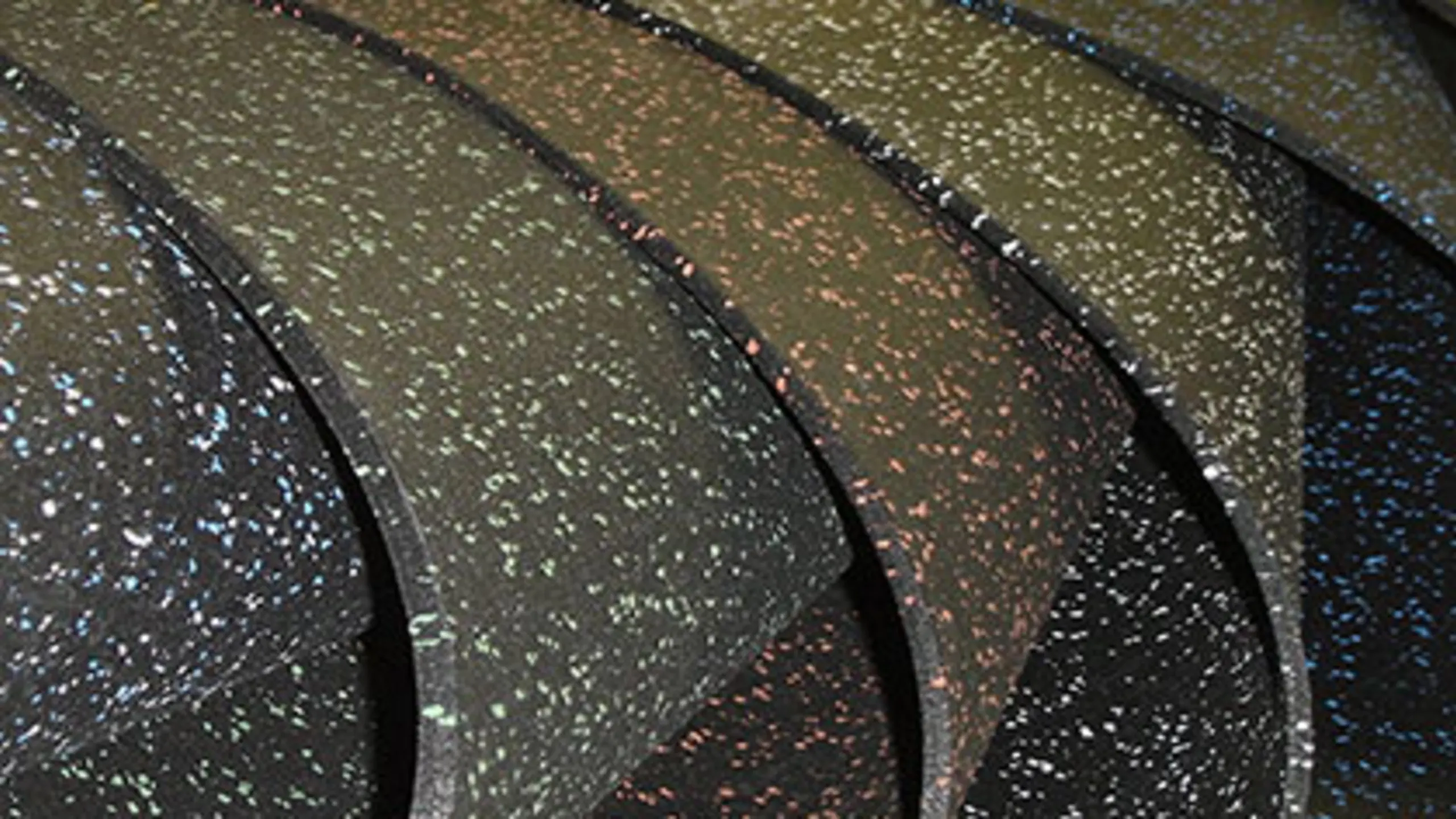
Rubber flooring is specified partly because it asks so little of you. That reputation is deserved — and it is also why so many gym floors are replaced years earlier than they needed to be. The damage is rarely dramatic. It accumulates.
The daily job: get the grit off
The single most destructive thing on a rubber floor is dry abrasive dust tracked in on shoes. Underfoot it behaves like fine sandpaper, wearing the surface and dulling the finish in exactly the high-traffic lanes you look at most.
A dry dust mop or a soft-brush sweep at the end of each day removes almost all of it. This one habit does more for the floor's appearance over five years than any product you can buy.
The weekly job: damp mop, correctly
Use a neutral pH cleaner diluted as directed and a well-wrung mop. Two things to avoid:
Flooding the floor. Water that stands at the seams works underneath tiles and rolls and attacks the adhesive bond. Damp, not wet.
Harsh chemicals. Solvent-based cleaners, bleach and high-pH degreasers break down the rubber binder. The floor goes tacky, then chalky, and it does not come back.
Entrance matting is the cheapest upgrade you will make
A proper matting run at the entrance — long enough for several footfalls, not a token square — intercepts the grit before it reaches the training floor. On a commercial gym this typically pays for itself in deferred wear well within a year. It is the highest-return thing on this list.
Protect the floor from the equipment, not just the members
Drop zones. Repeated loaded drops onto general-purpose flooring will fatigue it locally. Deeper platforms or a layered build-up in those bays keeps the damage confined to a replaceable area.
Point loads. Rack feet and heavy machines concentrate weight and can indent rubber permanently. Load-spreading pads under the feet prevent this.
Dragging. Moving equipment by dragging is what tears seams and lifts tile edges. Lift or use dollies, and brief the staff who rearrange the floor.
Things that quietly ruin a rubber floor
Rubber-wheeled trolleys parked long-term. Certain rubber compounds stain each other on prolonged contact.
Direct sunlight through glazing. Concentrated UV can fade and harden rubber over time. Shade or film the worst-affected areas.
Sanitiser overspray. Alcohol-based sprays used constantly in one spot will dull the surface. Spray onto the cloth, not the floor.
Ignoring a lifting seam. A seam that has started to lift catches feet and gets worse fast. Re-bond it the week you notice it.
The quarterly walk-round
Once a quarter, walk the floor properly and look for: seams starting to open, indentation under rack feet, thinning in the main traffic lanes, and any area that has gone tacky or unusually slippery. Everything on that list is cheap to fix early and expensive to fix late.
When it genuinely is time to replace
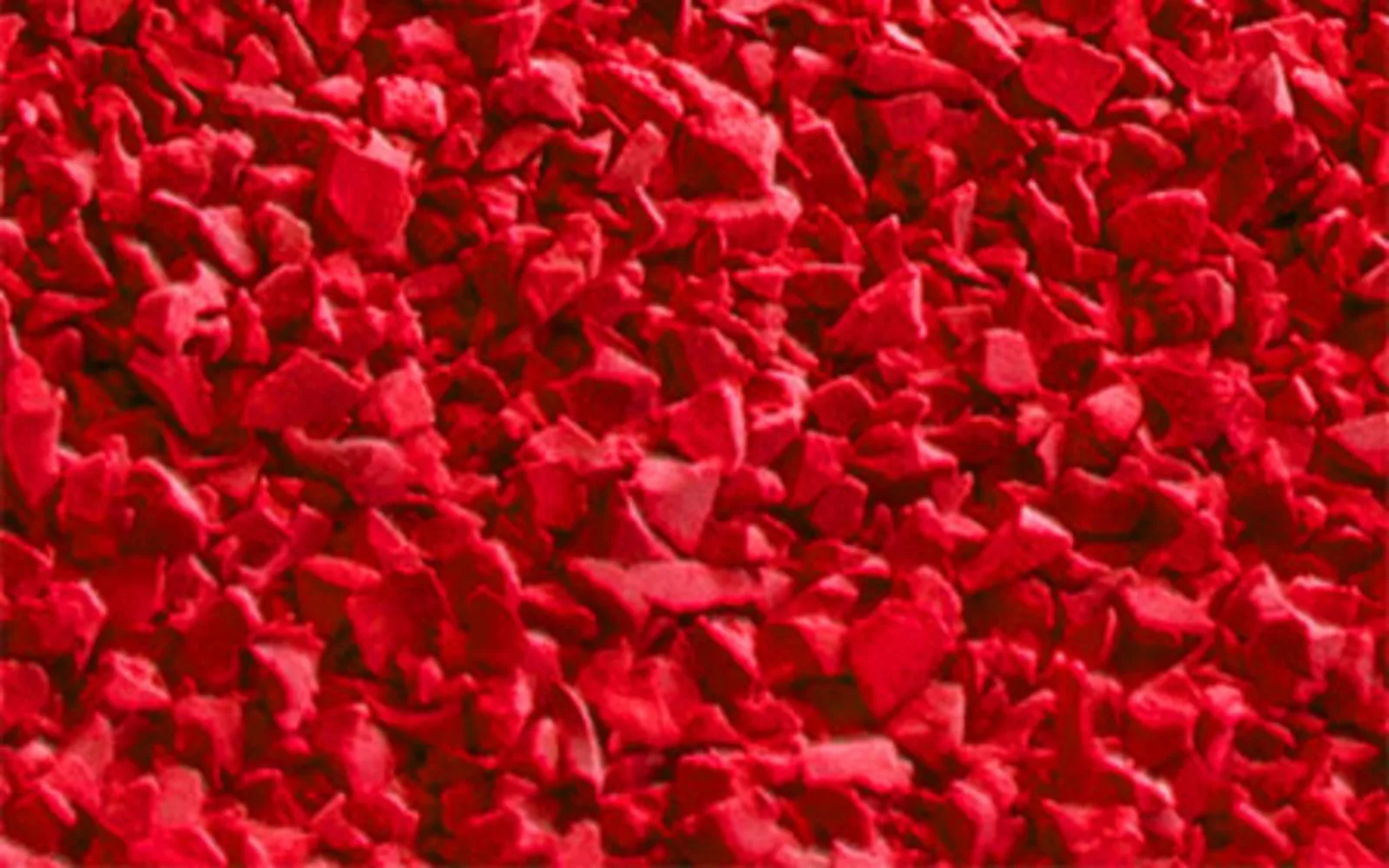
Consider replacement when the wearing surface has thinned enough to expose the granule structure across a broad area, when tiles no longer sit flat after re-bonding, or when permanent indentation has changed the level enough to affect equipment stability. A floor that is merely marked or faded but still flat, bonded and consistent in thickness usually has years left in it.
If you are not sure which of those you are looking at, send us photographs of the worst areas along with the floor's age and thickness. We will tell you honestly whether it needs repair, a partial replacement in the drop zones, or a full relay.