Practical reading for anyone specifying, budgeting or building a sports or gym floor.
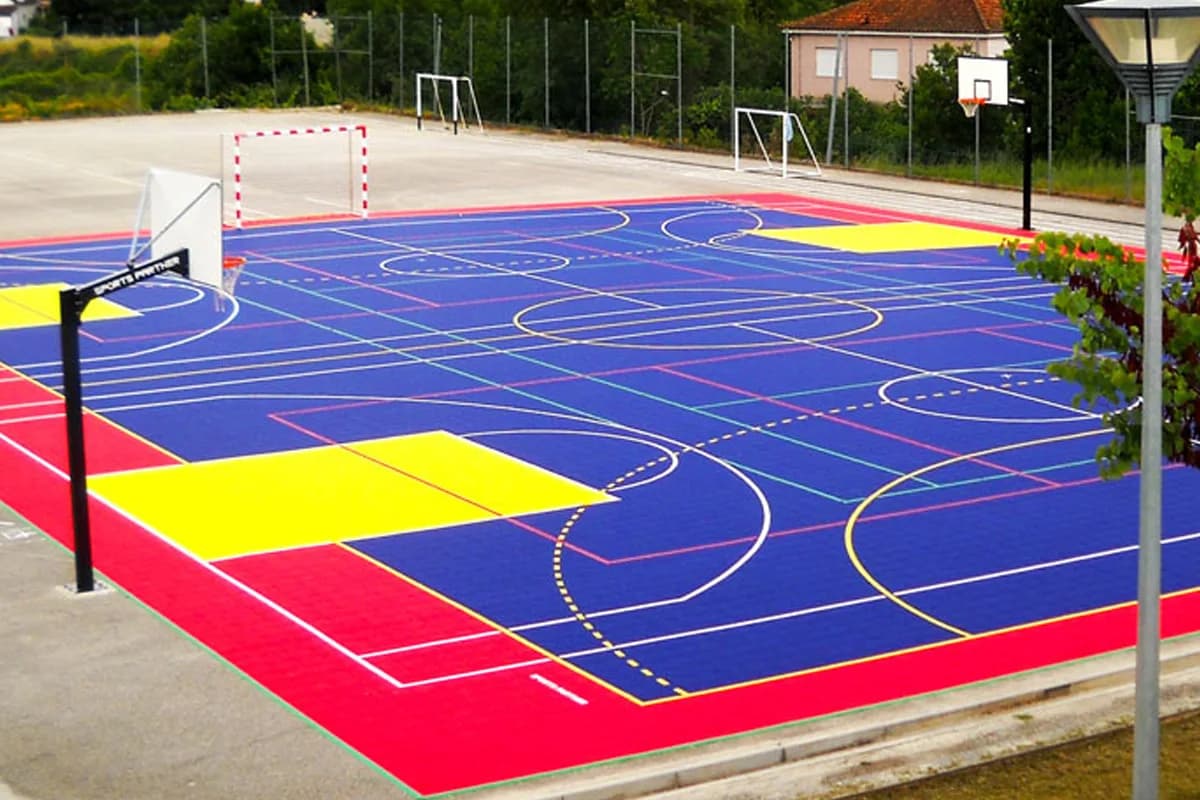
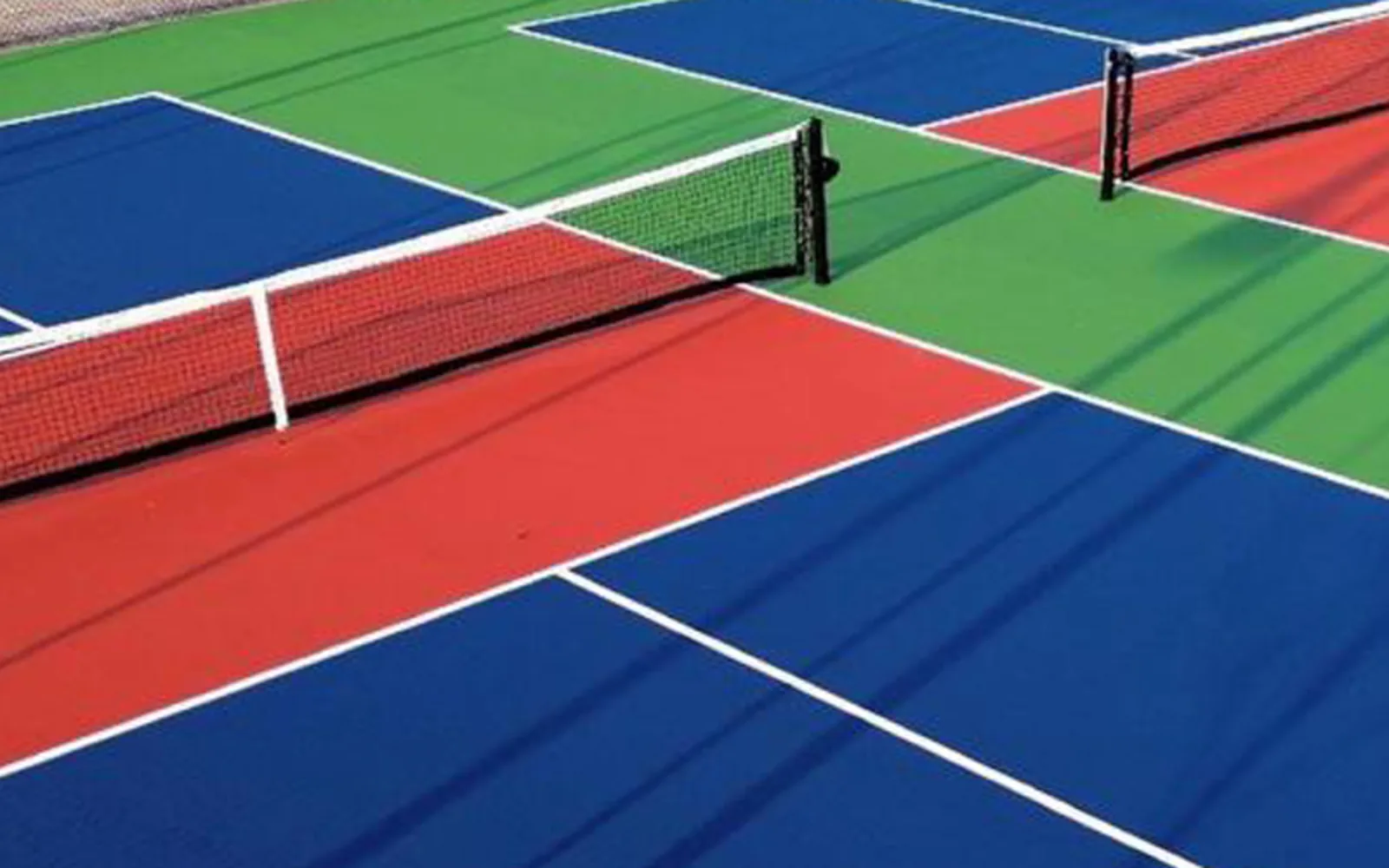
Three surfaces, three very different projects. A straight comparison of acrylic, hardwood and modular tile courts on cost, ball response, maintenance and where each one belongs.
Rubber gym flooring is close to maintenance-free, which is exactly why it gets neglected into early failure. The short routine that keeps a floor serviceable for a decade.
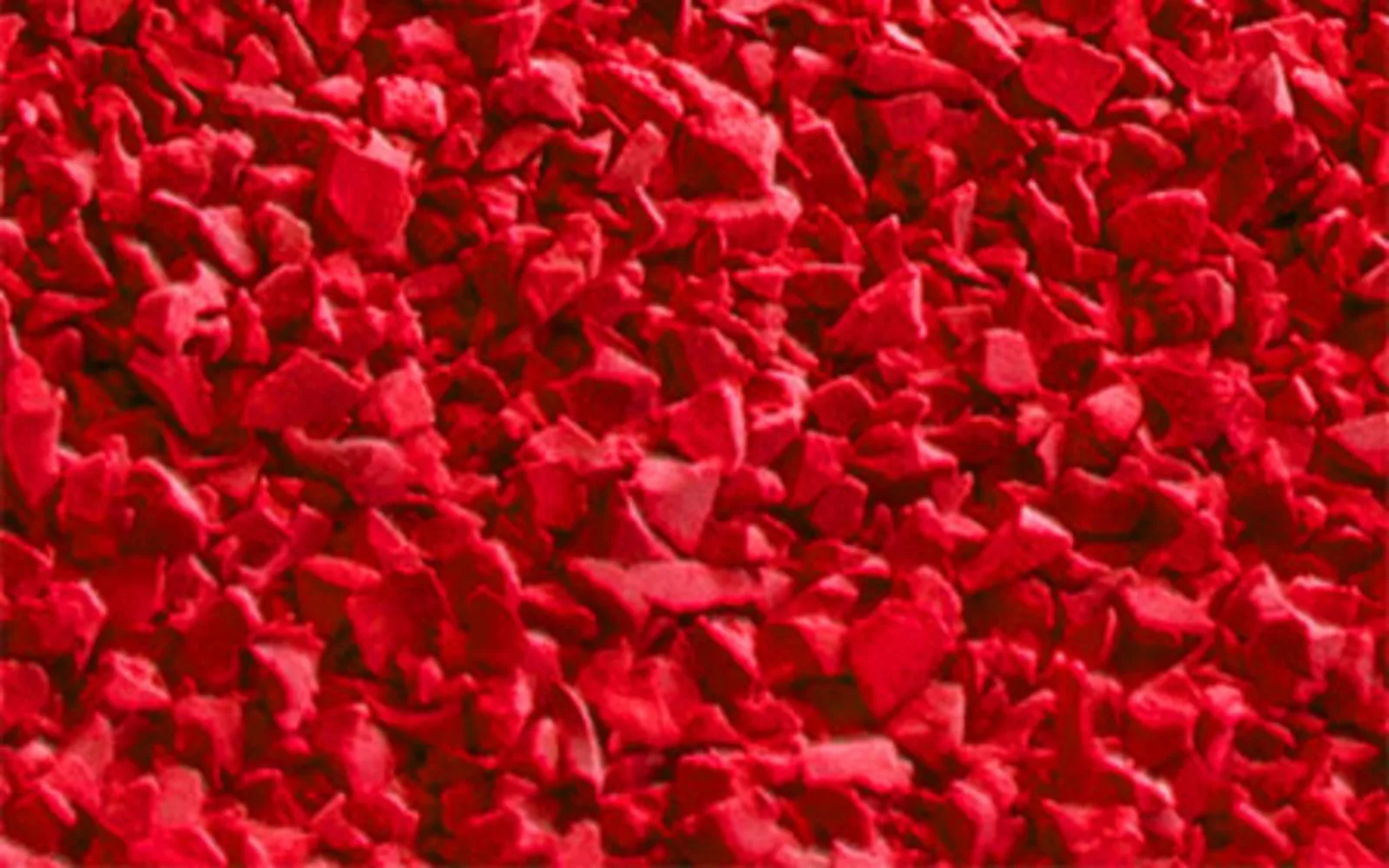
Both are rubber granule systems, but they behave very differently outdoors. A clear comparison of colour stability, UV resistance and cost.
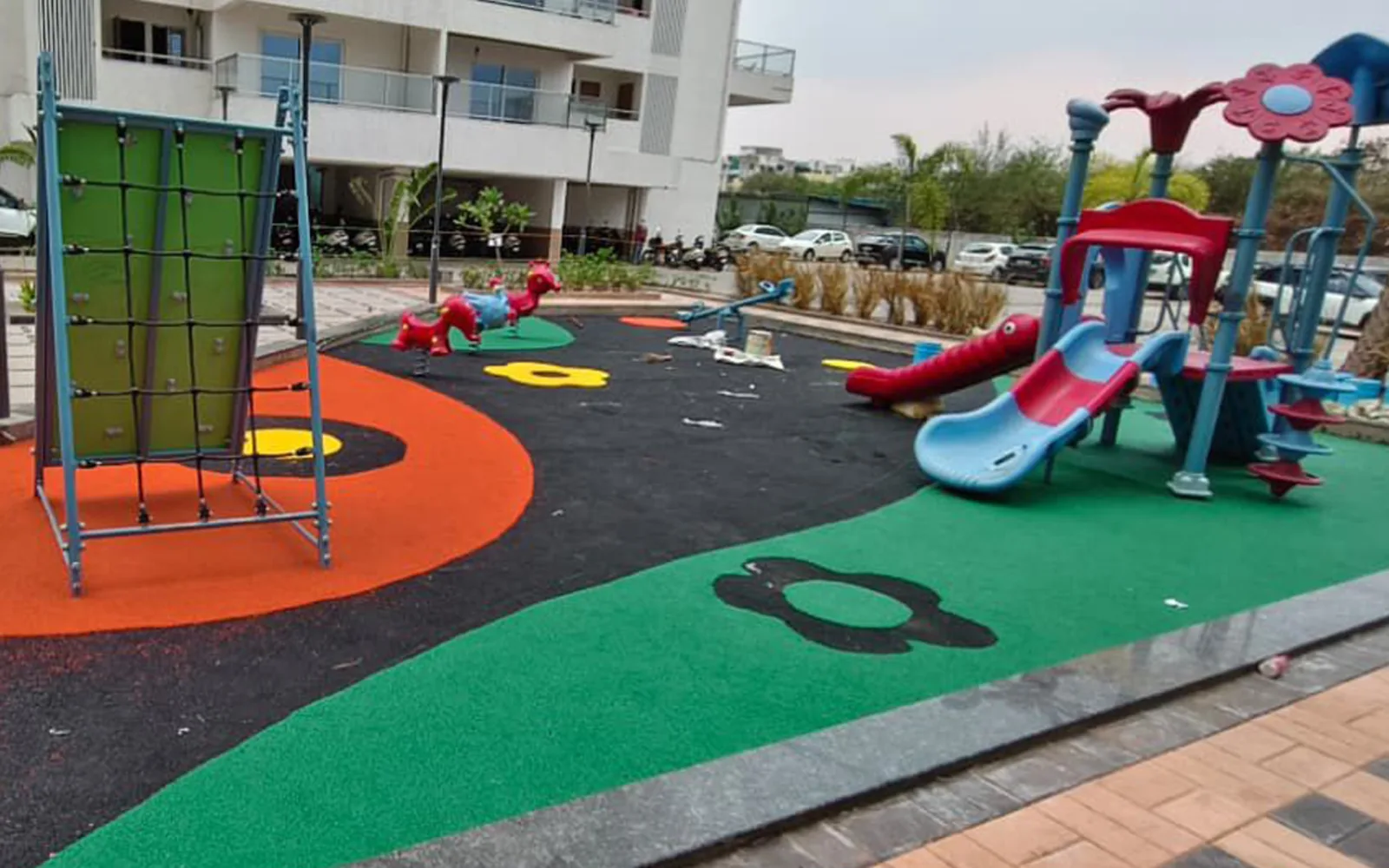
Playground rubber is not specified by how it looks or feels underfoot. It is specified by the height a child could fall from — and that changes everything about the build-up.
The synthetic surface is the part you see, but the base underneath decides whether the track lasts three years or fifteen. A plain-language look at what sits below the red.
Pile height is the number every turf quotation leads with, and the one most often chosen for the wrong reason. Here is how to match it to the way your pitch will actually be played.
Court dimensions, base preparation, acrylic surface systems and realistic timelines for building a pickleball court in India.
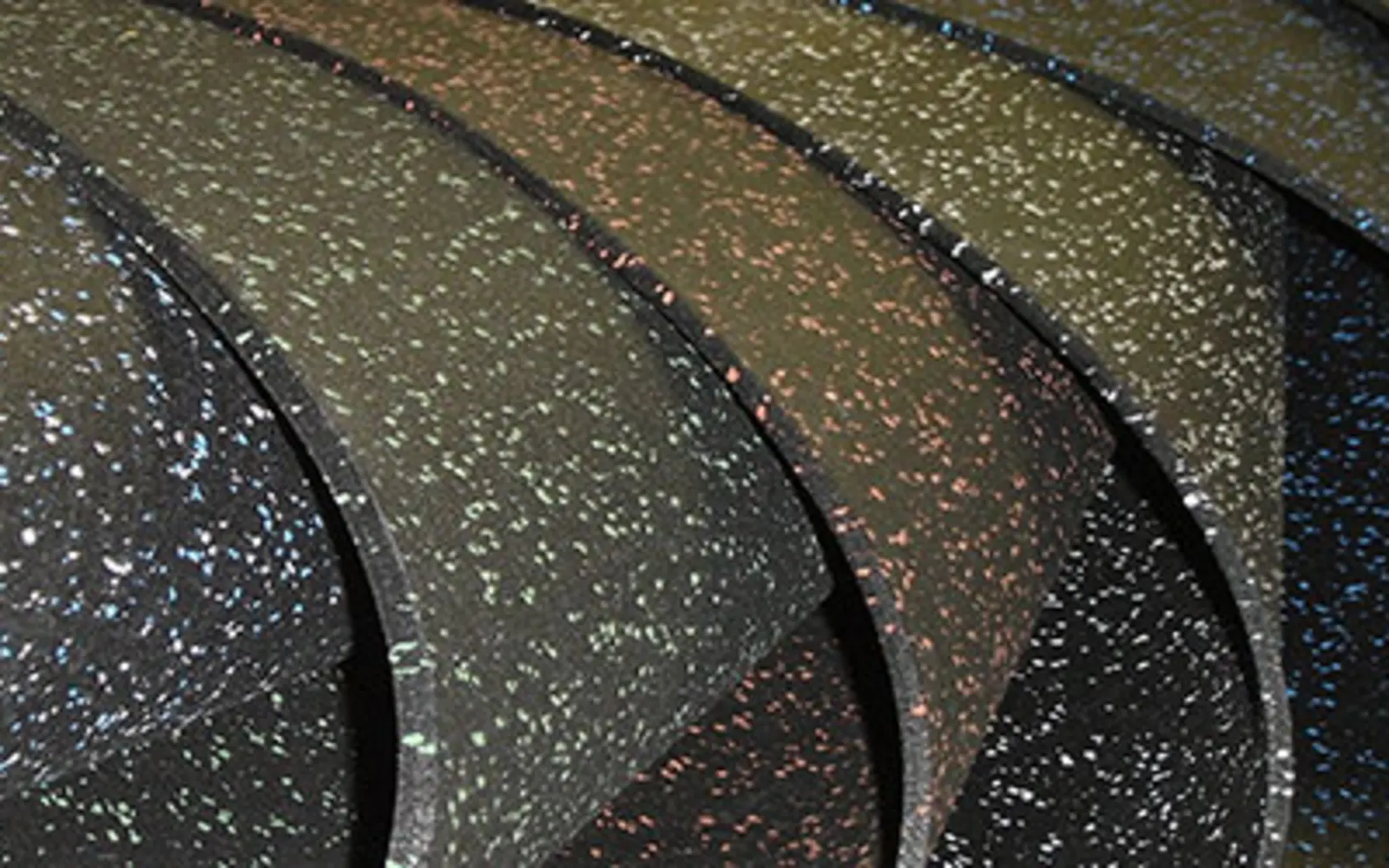
From 15 mm studio mats to 50 mm free-weight zones — a practical guide to matching rubber flooring thickness to the way your gym is actually used.