Football Turf Pile Height: 40 mm, 50 mm or 60 mm?
Pile height is the number every turf quotation leads with, and the one most often chosen for the wrong reason. Here is how to match it to the way your pitch will actually be played.
Pile height — the length of the synthetic grass fibre above the backing — is the headline figure on almost every artificial turf quotation. It is also the figure most often chosen by instinct rather than by use, usually on the assumption that longer means better. It does not. Longer means slower, heavier on infill, and more expensive to maintain.
What pile height actually controls
The fibre length determines how much infill the system can hold, and infill is what does the real work. It supports the fibre so it stands upright, provides the traction studs bite into, and absorbs a meaningful share of impact energy. A longer pile holds more infill, which gives a softer, slower surface. A shorter pile holds less, which gives a faster, firmer one.
So the question is not "how long should the grass be" but "how fast should the ball move, and how hard do players land on it".
40 mm
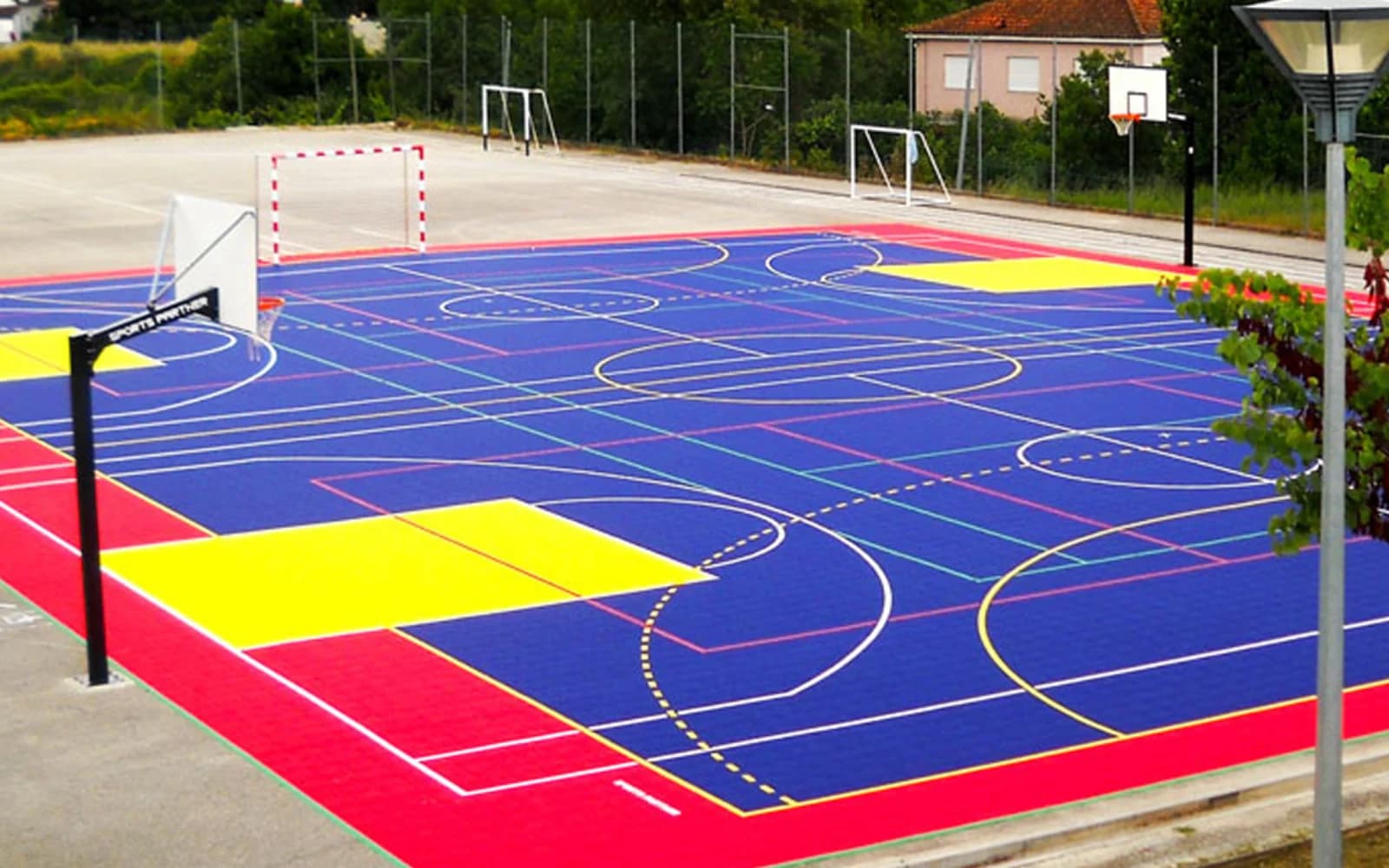
A good general-purpose height for multi-sport and recreational pitches, five-a-side courts and school grounds. The ball rolls fast and true, and the surface is comfortable for the mixed use these spaces typically see. It is also the most forgiving to maintain — less infill to redistribute after heavy sessions.
50 mm
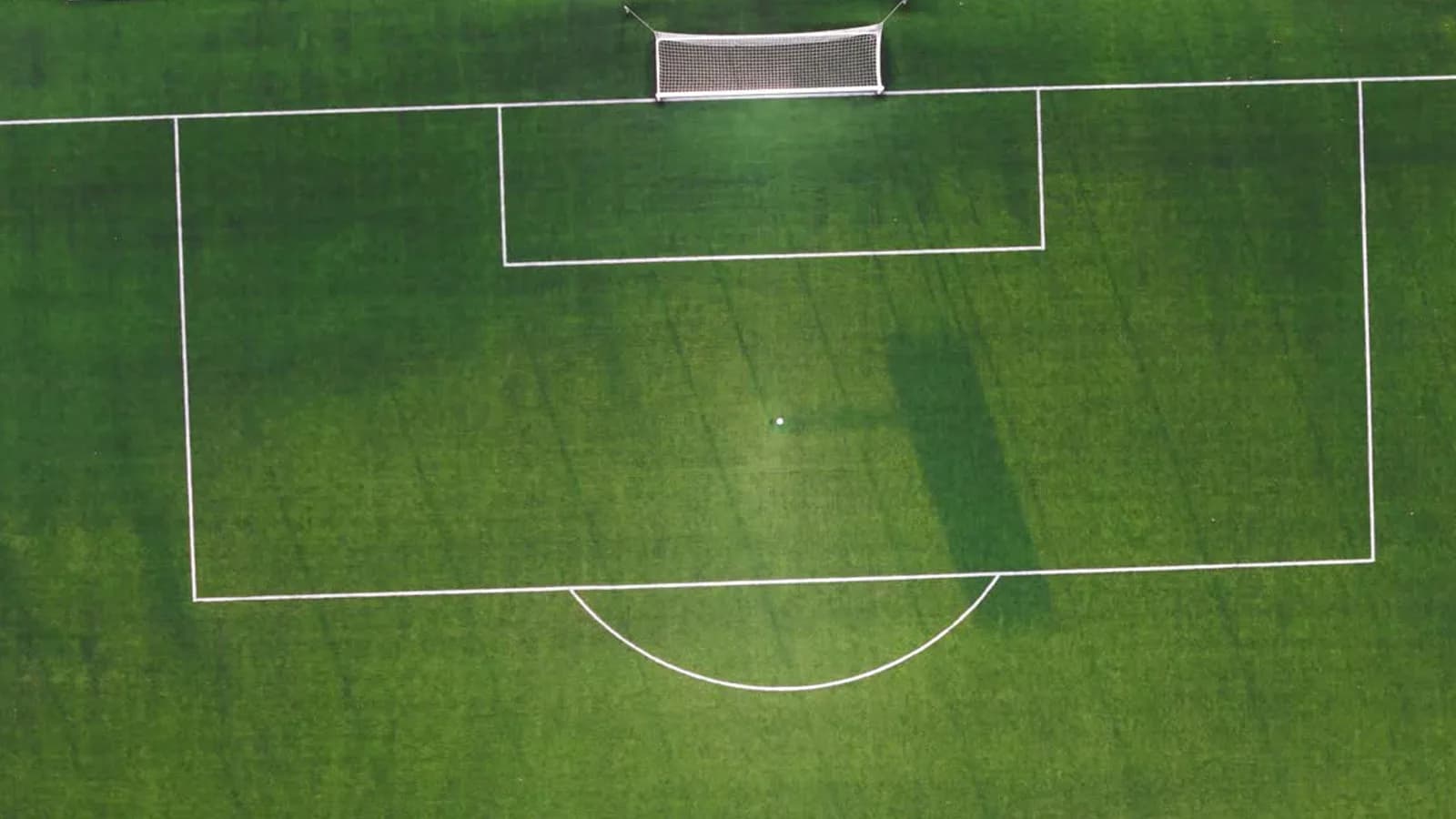
The most common specification for dedicated football pitches. Enough depth to hold a proper infill layer for studded boots and sliding, without slowing the game to the point that players notice. If you are building a football-first facility and are not sure, this is usually the right starting point.
55 mm – 60 mm
Specified where impact absorption matters more than pace: full-size competition pitches, grounds that will see a heavy weekly fixture load, or facilities where player welfare drives the brief. Be aware that the extra depth increases both infill volume and the frequency of brushing needed to keep the fibre upright.
Three things that matter more than pile height
If your budget is fixed, these will affect the finished pitch more than moving up 10 mm of fibre.
- The base. Artificial turf follows its sub-base exactly. Any dip, hump or soft spot will be visible and playable within a season. This is where money is well spent.
- Drainage. A pitch that holds water after rain is unusable regardless of what is on top of it. Fall, perforated backing and a free-draining sub-base all have to work together.
- Infill type and depth. The infill specification governs traction and shock absorption. Two pitches with identical pile height and different infill play completely differently.
Stitch rate and fibre shape
Two turfs quoted at the same pile height can differ substantially in density — the number of stitches per square metre. A denser turf holds infill better, wears more slowly and recovers its upright position faster. Fibre shape matters too: monofilament fibres with a spine resist flattening better than flat tape fibres under the same traffic.
When comparing quotations, ask for pile height, stitch rate and fibre weight together. A quotation that gives only pile height is not telling you enough to compare.
Questions worth answering before you specify
- Football only, or shared with hockey, cricket practice or general recreation?
- Studded boots, or mixed footwear including trainers?
- How many hours per week will the pitch be played?
- Is it fully outdoor, under a canopy, or partly shaded?
- Who will maintain it, and how often can they brush and top up infill?
Answer those and the pile height usually chooses itself. Share your site details and intended usage with our team and we will recommend a full system — base, drainage, turf and infill — rather than just a fibre length.