What Goes Under a Running Track: Base Preparation Explained
The synthetic surface is the part you see, but the base underneath decides whether the track lasts three years or fifteen. A plain-language look at what sits below the red.
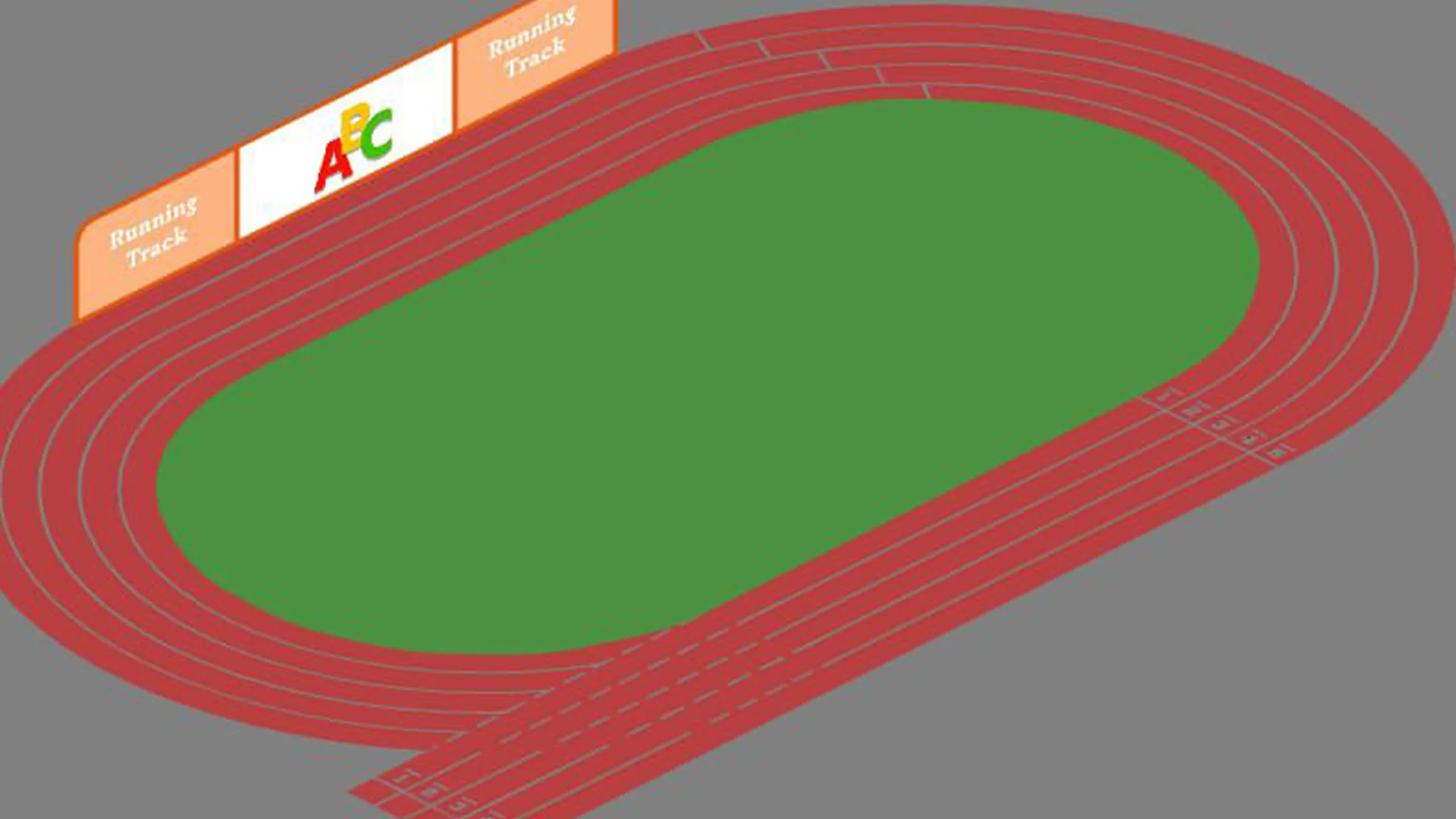
Almost every running track failure we are called in to assess is a base failure wearing a surface failure's clothes. The synthetic layer cracks, lifts or ponds — but the cause is almost always something underneath it that was rushed, skipped or never specified in the first place.
The layers, from the ground up
A synthetic track is a system, not a coating. Each layer has one job, and the layer above depends on it doing that job properly.
Formation and sub-grade
The natural ground, excavated to level and compacted. Soft spots, buried organic material and poorly compacted fill all have to be dealt with here. Anything left in the sub-grade will show up as a settlement dip years later, and by then it is under everything else.
Sub-base
Compacted aggregate that spreads load and provides drainage. Its depth depends on the ground conditions and on whether vehicles will ever cross the track — maintenance vehicles and event trucks are a common oversight.
Base course
Usually asphalt or concrete, laid to tight tolerances. This is the layer that defines the finished levels, so it is where flatness is won or lost. Surface irregularity here cannot be corrected by the synthetic layer above; it can only be hidden briefly.
Synthetic surface
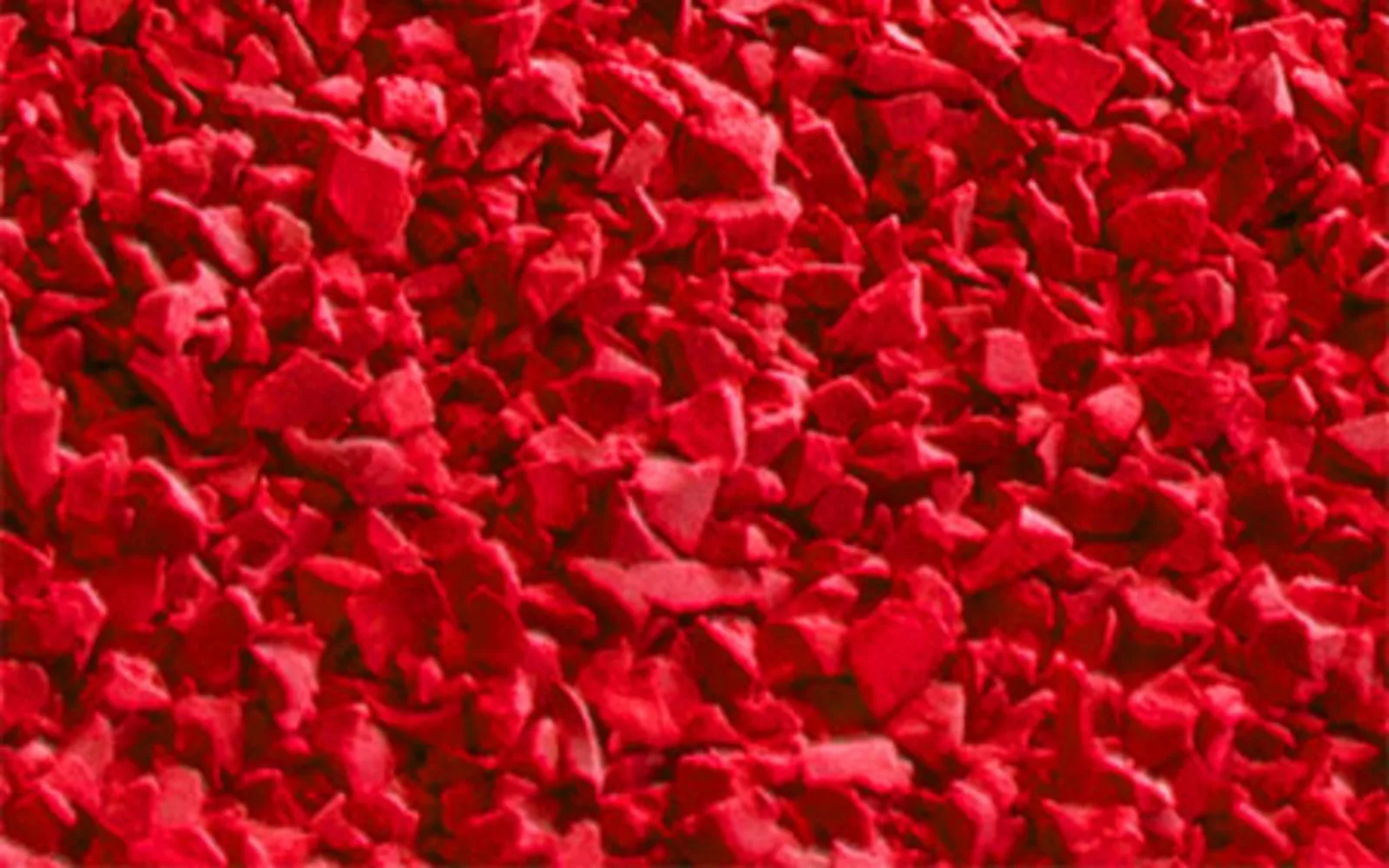
The polyurethane and rubber system you actually run on. Depending on the specification this may be a sandwich system, a full-pour system or a spray-coat over a rubber base mat.
Why flatness matters more than it sounds
Track surfacing is applied at a fairly consistent thickness. It follows the base rather than levelling it. A hollow in the asphalt becomes a hollow in the finished track — and a hollow holds water. Standing water on a synthetic surface accelerates wear, encourages algae, and in cold climates works into any micro-crack and opens it.
This is why base tolerances are specified with a straightedge and why it is worth insisting on the check before surfacing begins. It is a cheap test at that stage and an impossible fix afterwards.
Drainage is a design decision, not an afterthought
Tracks are built with a cross-fall so that water runs off rather than sits. Where it runs to has to be designed: perimeter drainage, an infield collection system, or both. We have seen well-built tracks fail early because the surrounding ground was regraded afterwards and the water had nowhere left to go.
Curing time is part of the programme
A new asphalt base needs time to cure and off-gas before a polyurethane system is laid over it. Surfacing too early traps volatiles and can cause blistering. This is one of the most common causes of schedule pressure on a track project, and one of the worst places to absorb a delay by cutting corners.
What to ask for in a quotation
- Sub-base depth and the compaction standard it will be tested to
- Base course material, thickness and the flatness tolerance
- Cross-fall and where the water is designed to discharge
- Curing time allowed between base and surfacing
- Which of these items are included and which are "by others"
That last point matters most. A track quotation that covers only the coloured layer is not a track quotation. Ask us to price the full build-up for your site so you can see what the base actually requires before you compare rates.