EPDM vs SBR Rubber Flooring: Which Should You Specify?
Both are rubber granule systems, but they behave very differently outdoors. A clear comparison of colour stability, UV resistance and cost.
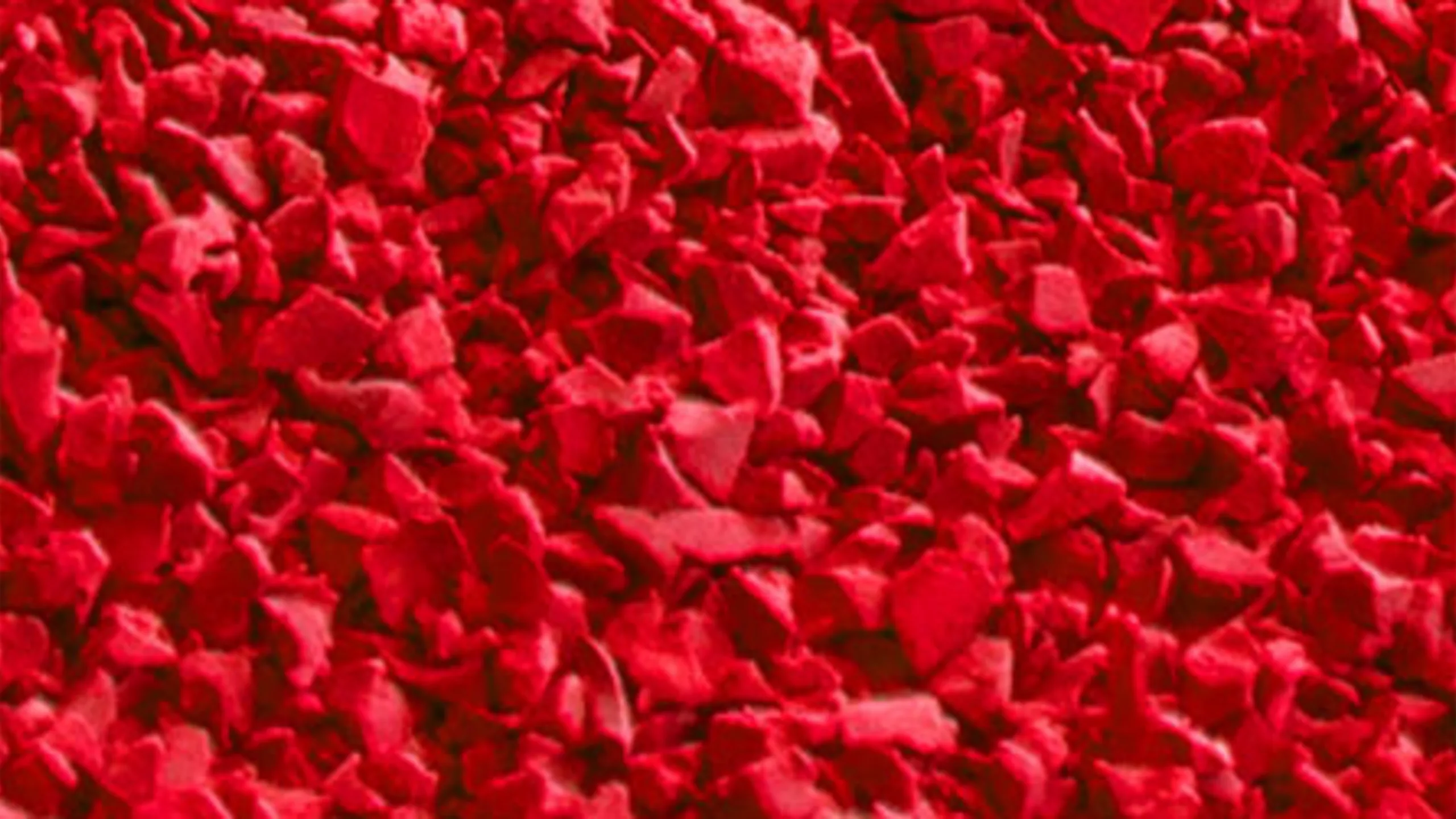
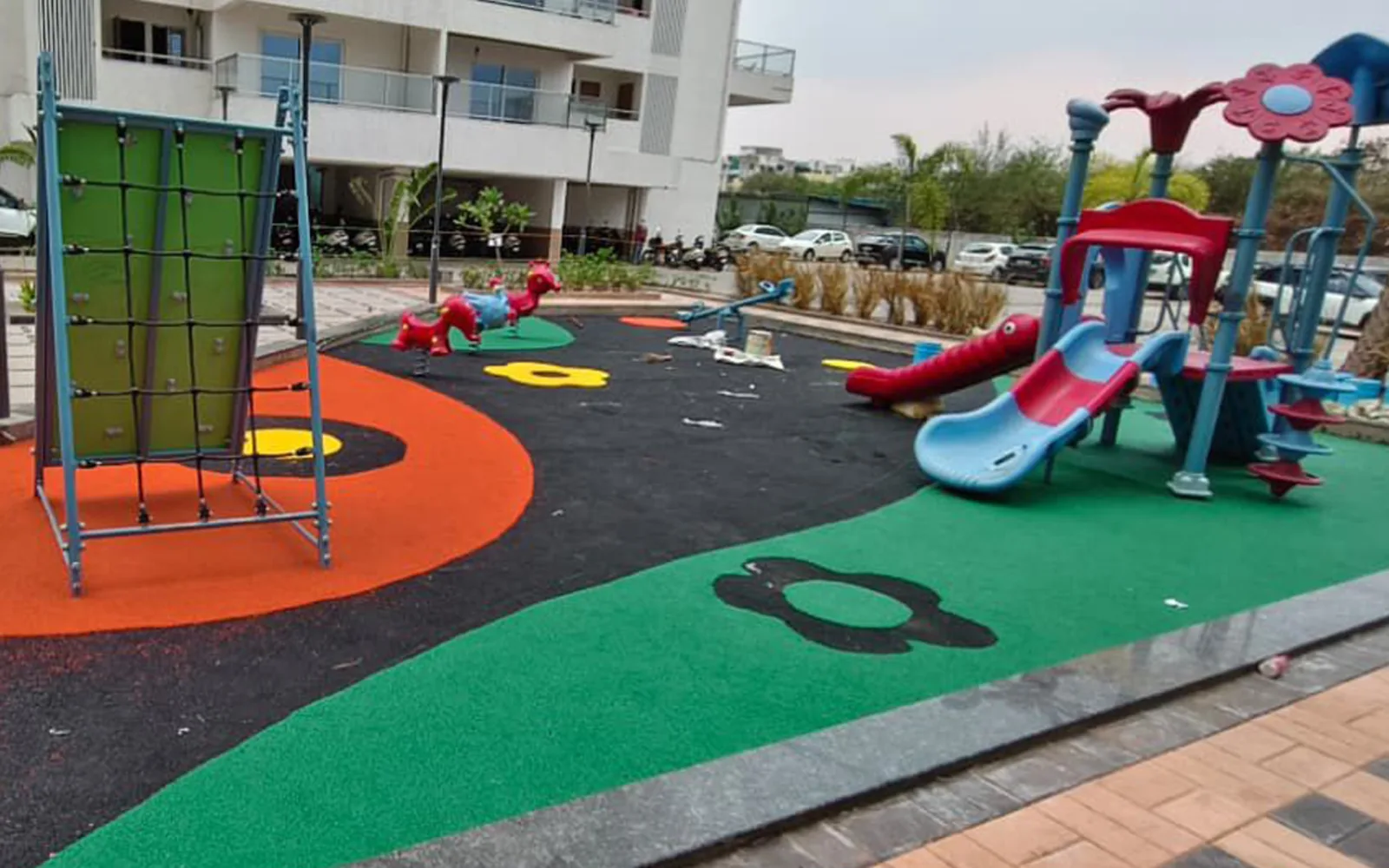
EPDM and SBR are the two rubber granules you will be offered for most playground and outdoor flooring projects. They are not interchangeable, and the difference shows up within the first couple of years.
What they are
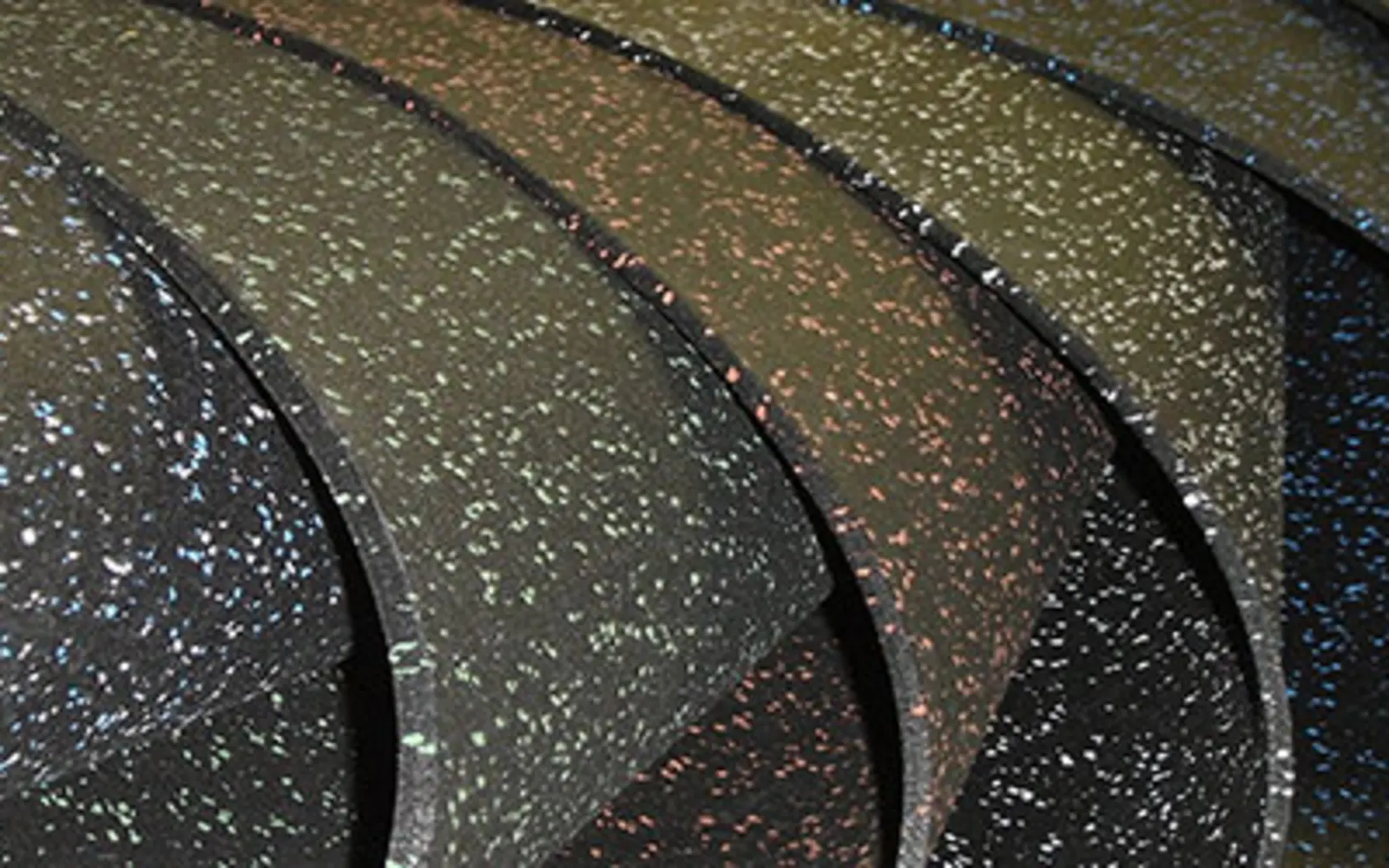
SBR (styrene-butadiene rubber) granules are typically produced from recycled rubber. EPDM (ethylene propylene diene monomer) is a synthetic rubber manufactured in colour from the outset.
Colour and UV stability
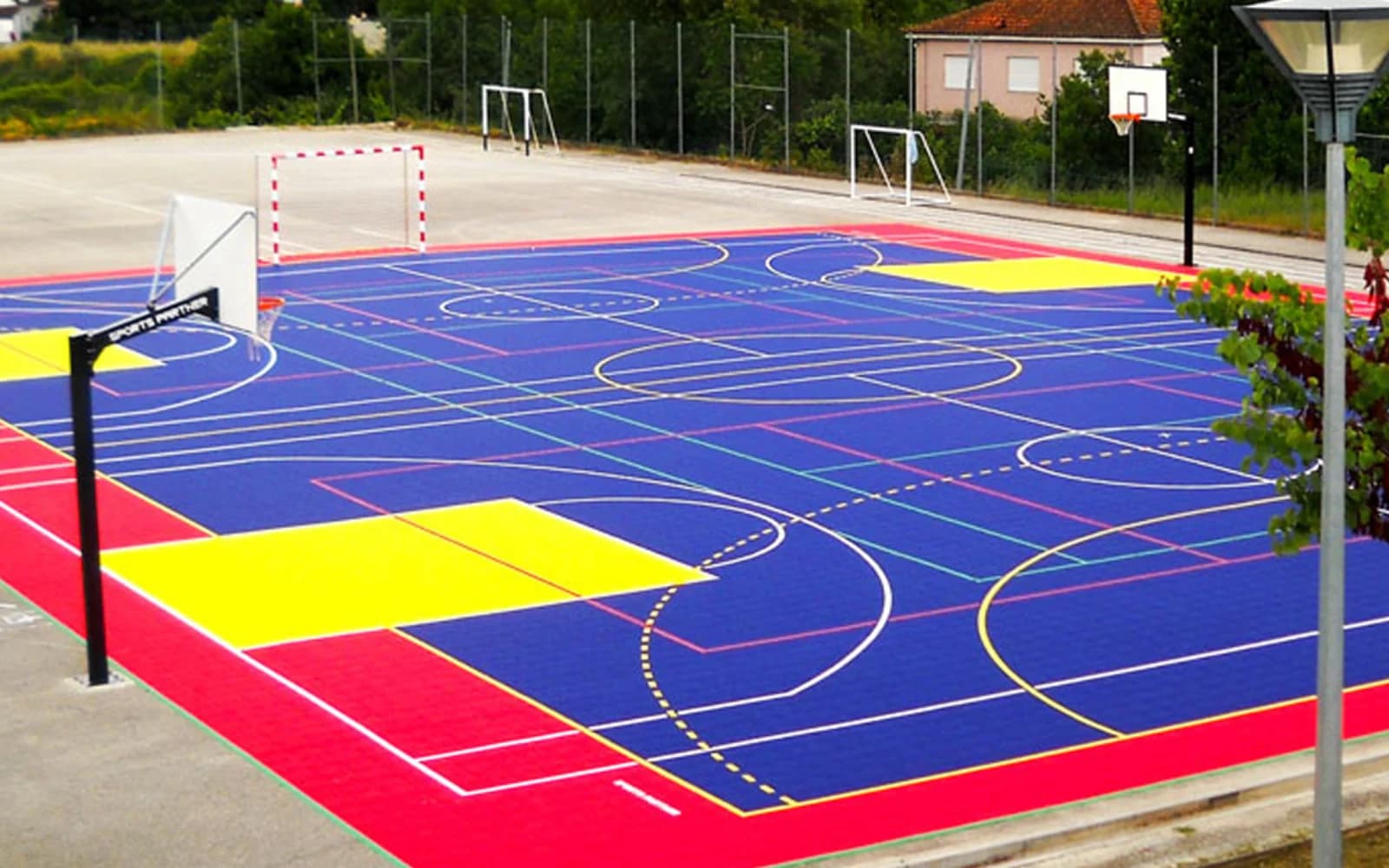
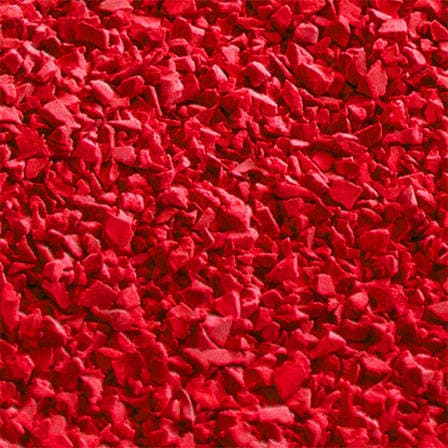
This is the decisive difference. EPDM holds its colour under sustained UV exposure and is available in a wide, consistent colour range. SBR is generally black or a darker limited palette, and pigmented SBR tends to fade noticeably outdoors.
Typical usage
A very common and cost-effective approach is a two-layer system: an SBR base layer for depth and shock absorption, with an EPDM wearing layer on top for colour and UV resistance. You get the performance where it matters and control the material cost.
Cost
EPDM carries a higher material cost than SBR. For a fully exposed outdoor play area where appearance matters over a long service life, that premium is usually justified. For a covered or indoor area with no UV exposure, SBR may be entirely appropriate.
How to choose
- Exposed outdoor play area, colour critical — EPDM wearing layer
- Outdoor, budget sensitive — SBR base with EPDM top layer
- Indoor or fully covered — SBR is often sufficient
- Fall-height safety requirement — thickness matters more than granule type; specify to the equipment
Talk to our team with your site exposure and fall-height requirement and we will recommend a suitable build-up.